


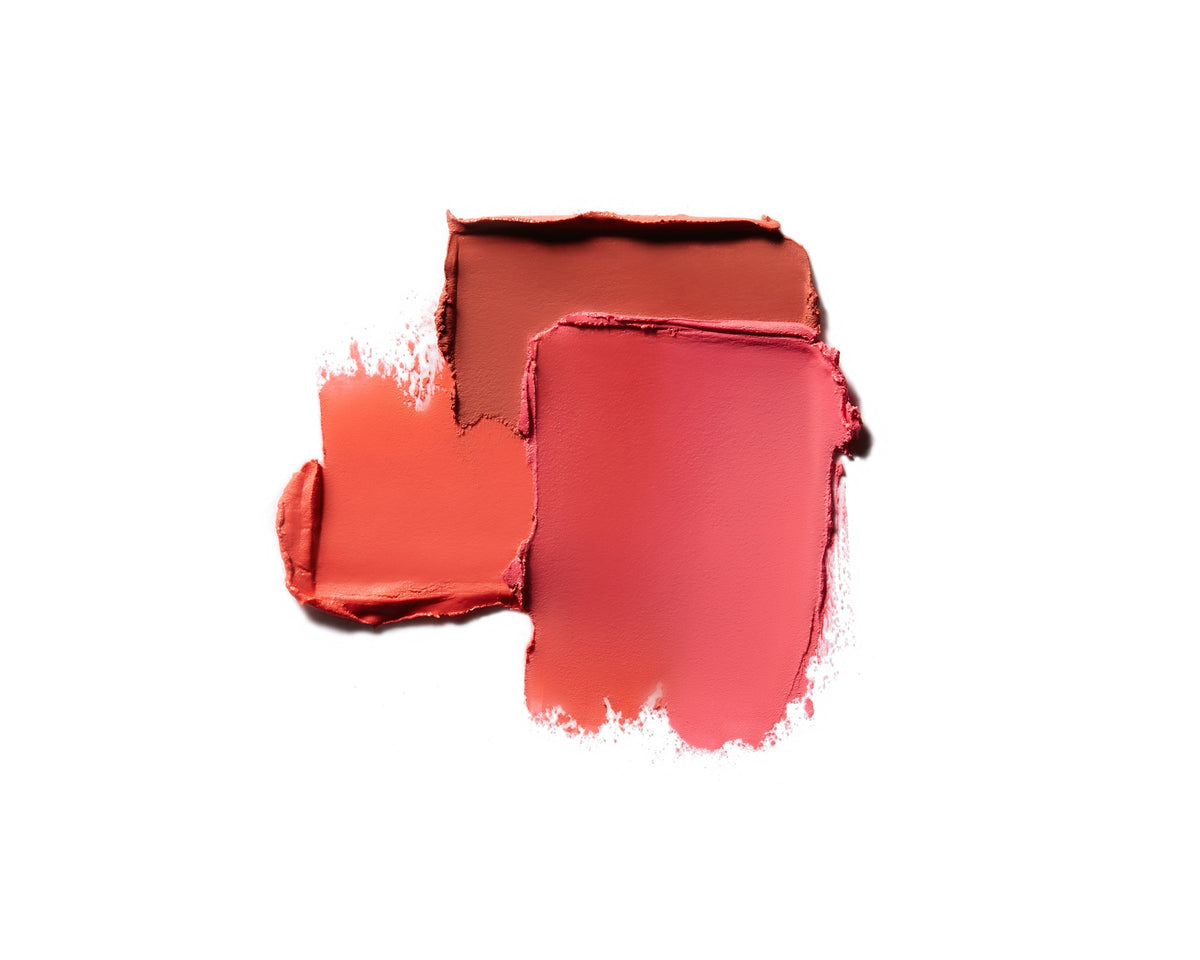
A peach blush can look golden on one complexion, yet take on a pinker hue on another. A soft rose, a sunlit coral, a deep berry—the shade you choose can brighten your skin, enhance its natural tones, or create a little contrast.
So how do you find the best blush color for your skin tone? Start with your undertone, consider how much color you like to wear, and explore the shades that catch your eye. There's room for instinct alongside a little color theory.

Start With Your Skin's Undertone
Your skin tone is how light or deep your complexion is, while your undertone is the subtle color beneath the surface. Knowing yours can help you choose an everyday blush that looks effortless.
Warm undertones have hints of gold, yellow, or peach. Picture apricot, coral, terracotta, and golden rose shades.
Cool undertones lean pink, red, or blue. Cool pinks, dusty roses, mauves, and deeper berries complement these tones.
Neutral undertones sit somewhere between warm and cool. Peachy pinks, muted roses, and corals are easy starting points, though both warm and cool shades can suit your skin.
Olive undertones have a green or grey-green cast and are found across fair, medium, and deep complexions. Earthy peach, terracotta, muted rose, and berry can either complement the skin's coloring or create contrast.
How to Find Your Skin's Undertone
Not sure which one sounds like you? Try these three simple checks.
-
Look at your wrist veins. Green-looking veins signal warm undertones, while blue or purple veins suggest cool undertones. A mix of both can point to neutral skin.
-
Compare gold and silver jewelry. If gold looks better against your skin, you may lean warm. If silver suits you better, you may lean cool. If both look equally good, you may be neutral.
-
Check your skin in daylight. Look for golden or peachy tones, rosy or pink tones, or the subtle greenish cast of olive skin.
Following your undertone can give blush a more seamless look. Choosing a contrasting color makes the shade stand out a little more. Let the effect you want guide you.
The Best Blush Colors for Every Skin Tone
Blush is personal. You might prefer a barely-there hint of color or something brighter. There are no rules about which shades you can wear, but if you're looking for an everyday blush that complements your complexion, these are good places to begin.
Best Blush Colors for Fair and Light Skin
Light pinks, pale peaches, and muted roses bring a fresh flush to fair and light skin. Brighter hues can create more contrast when you want the color to stand out.
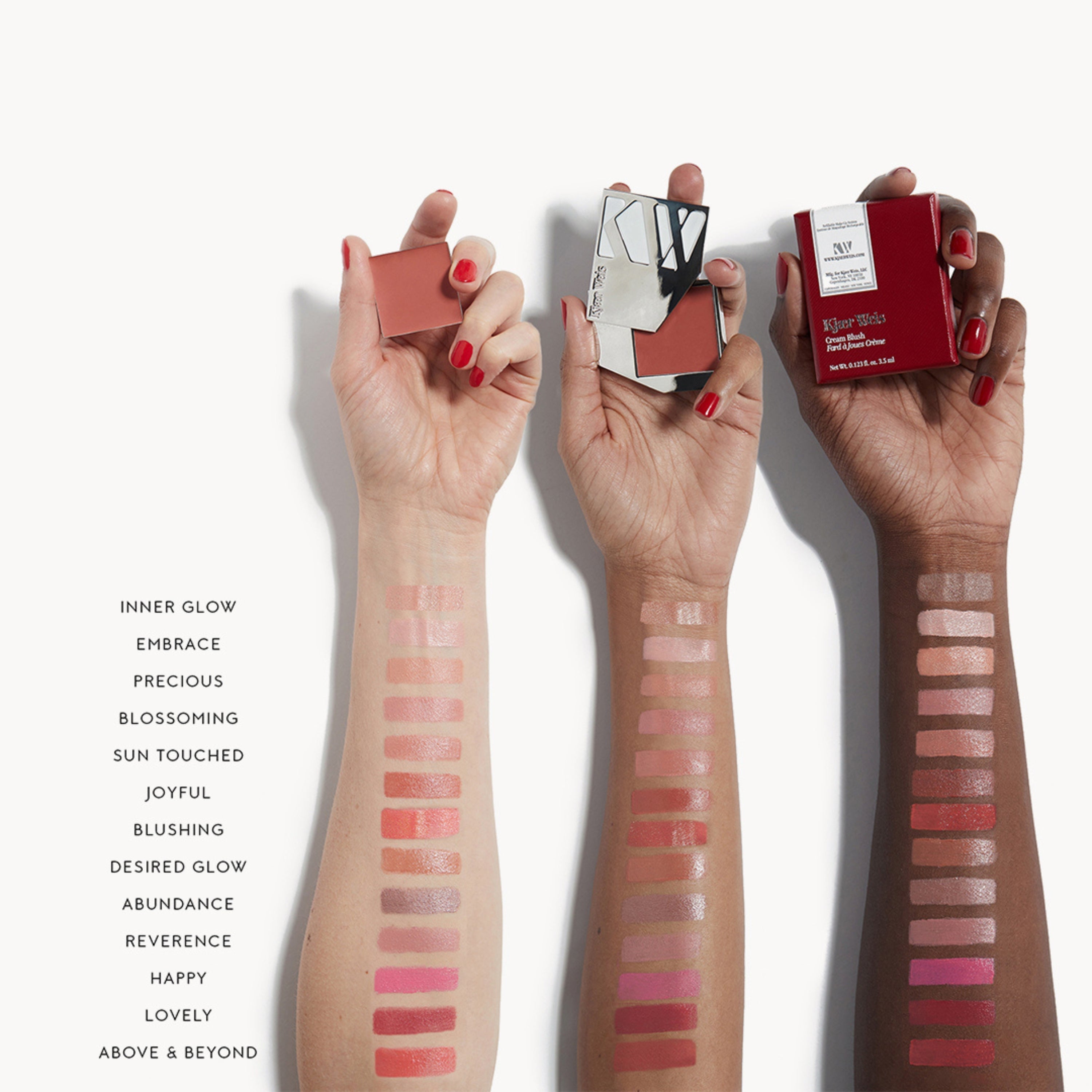
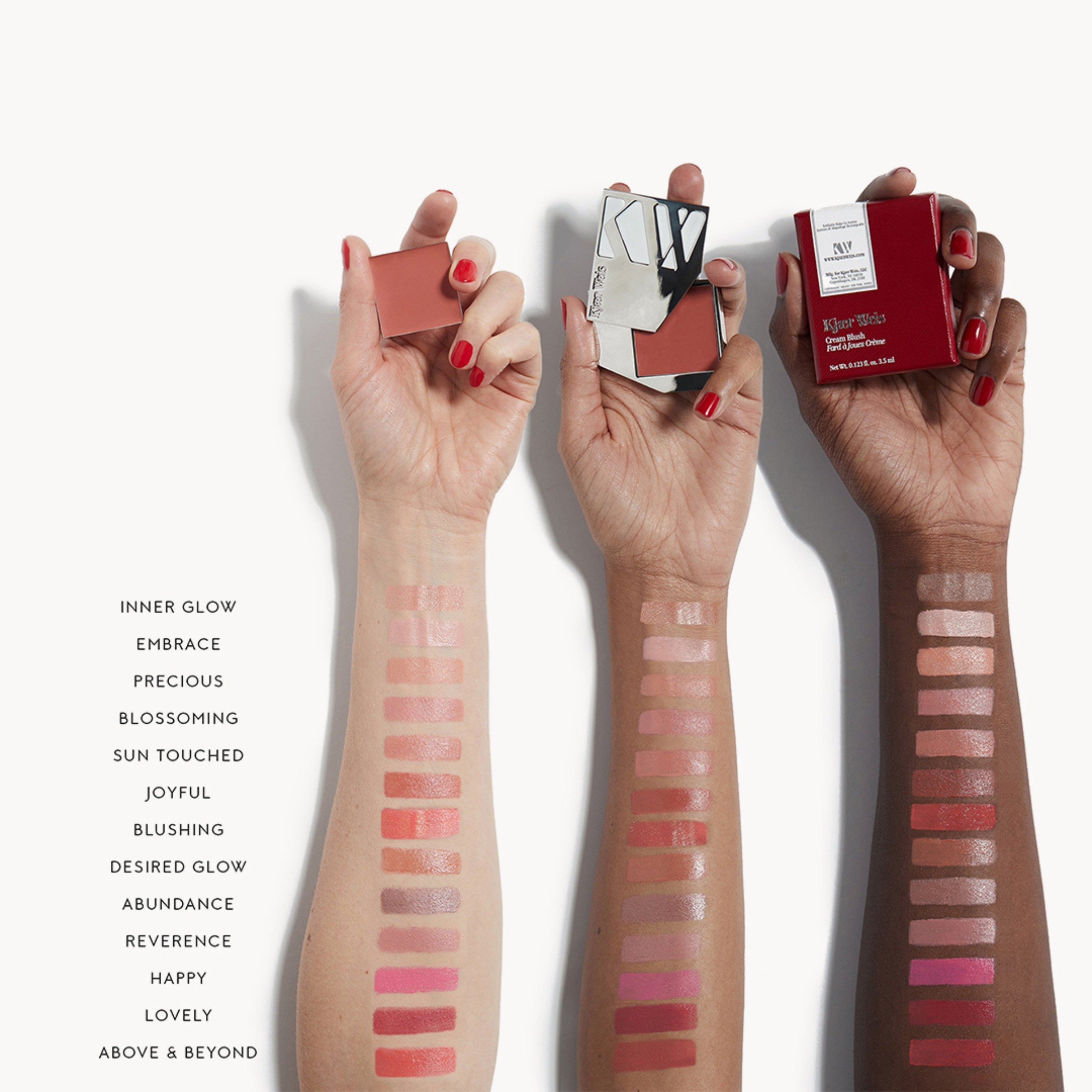
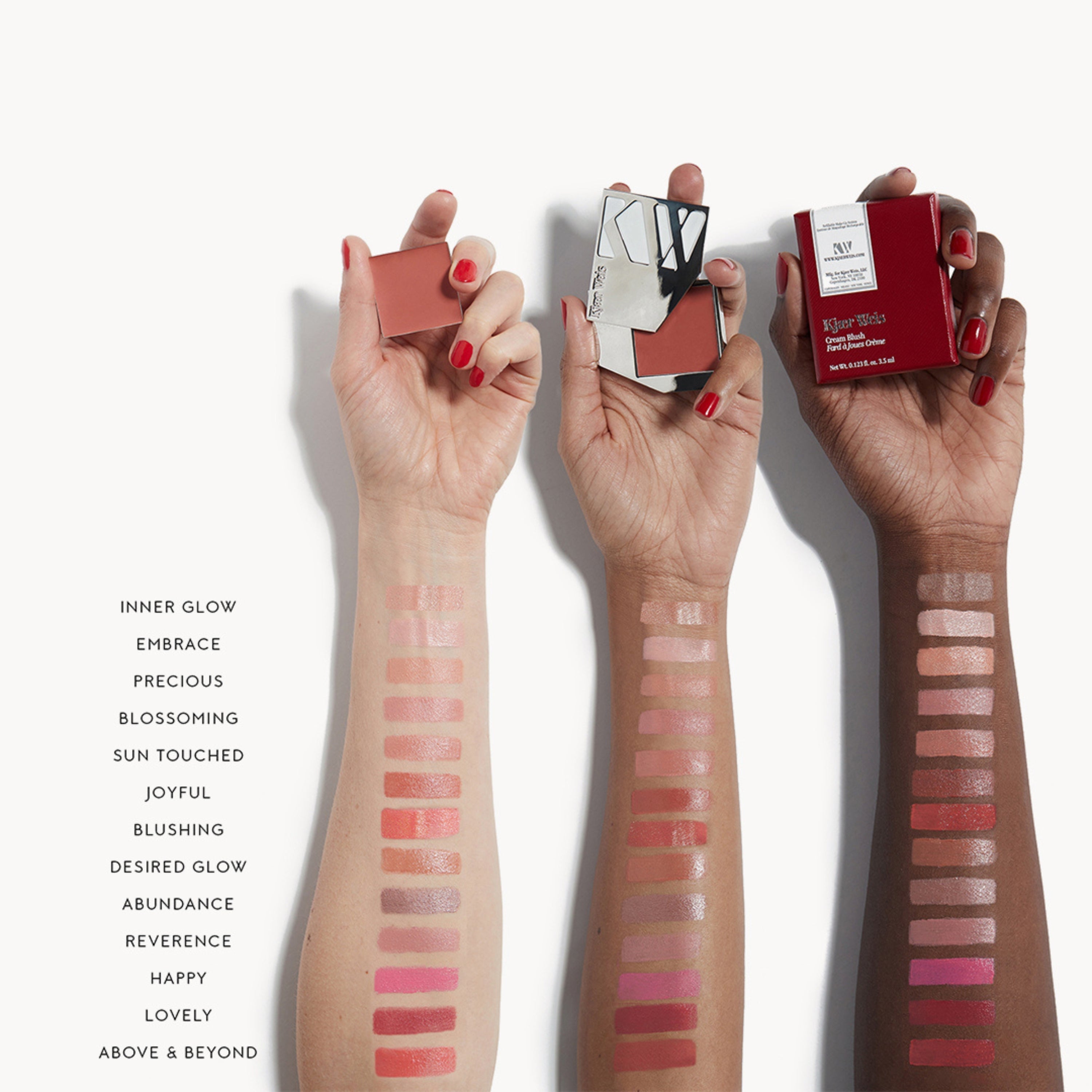
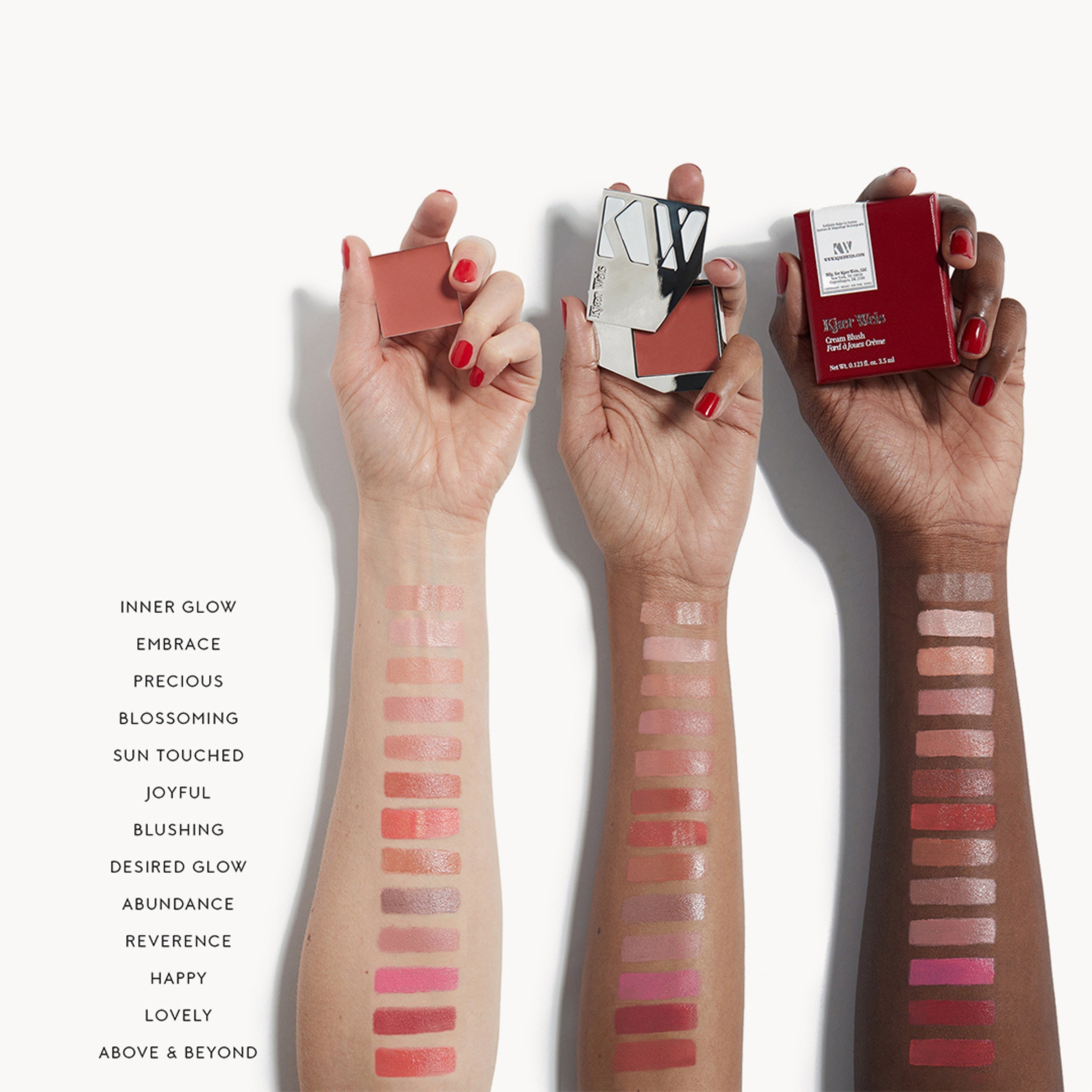
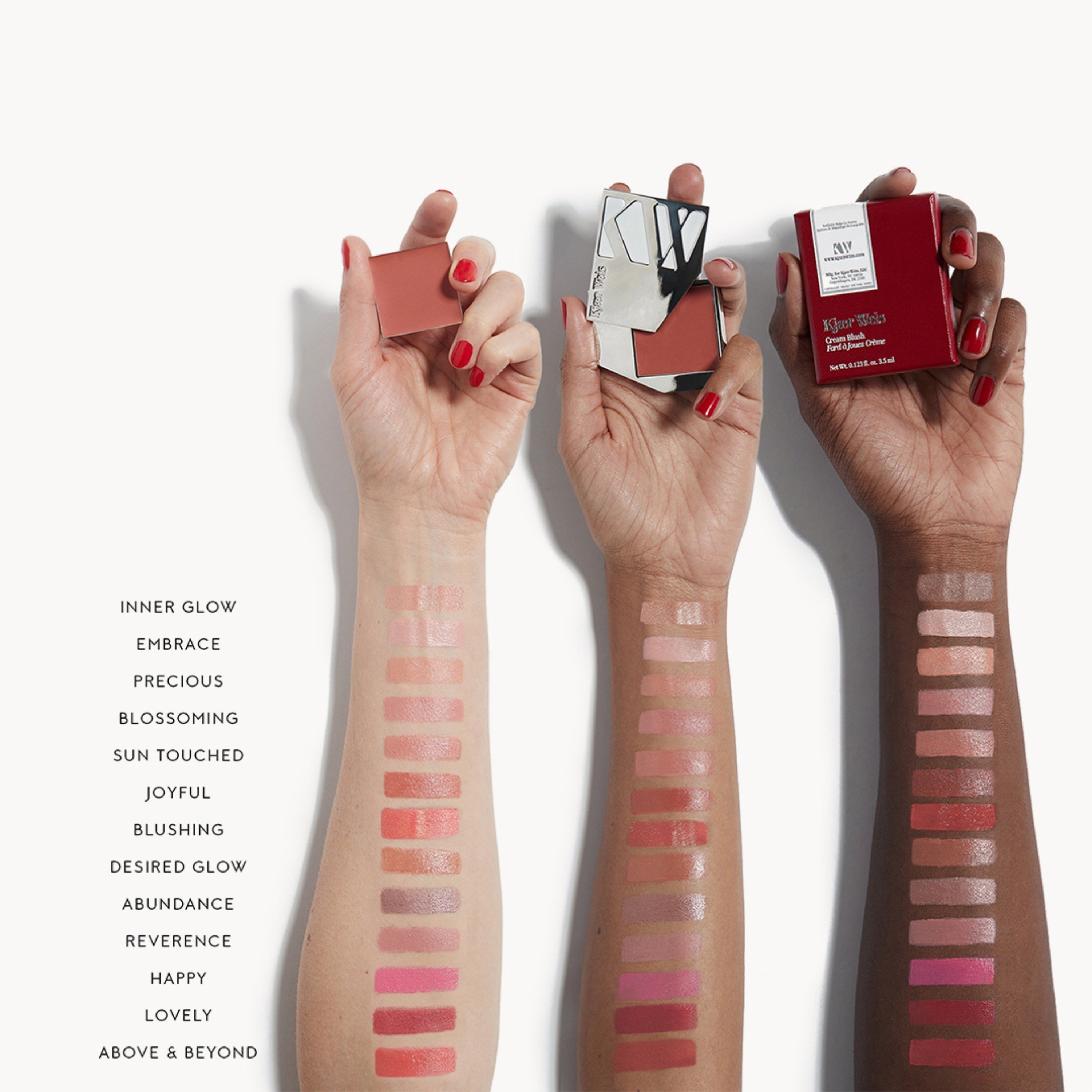
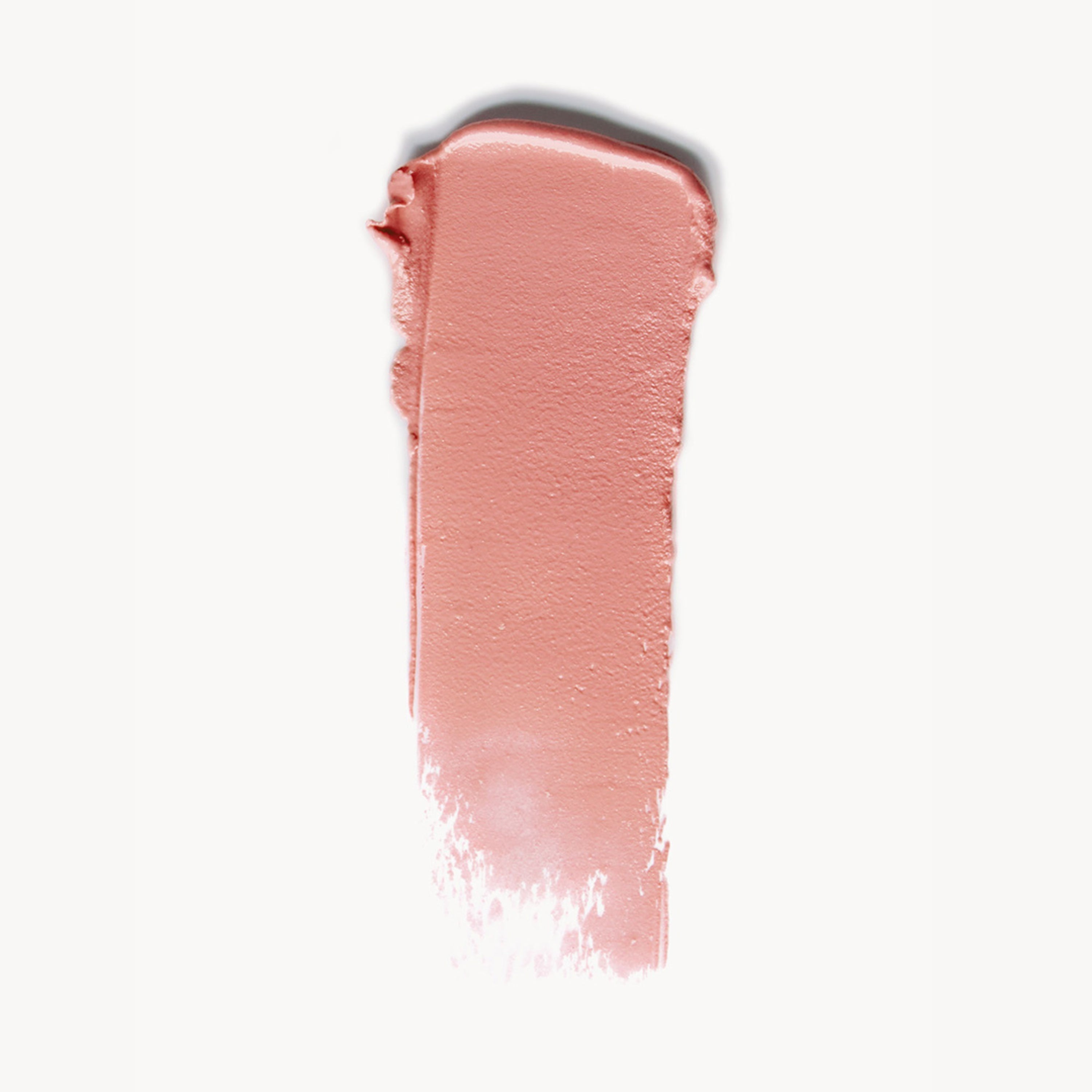
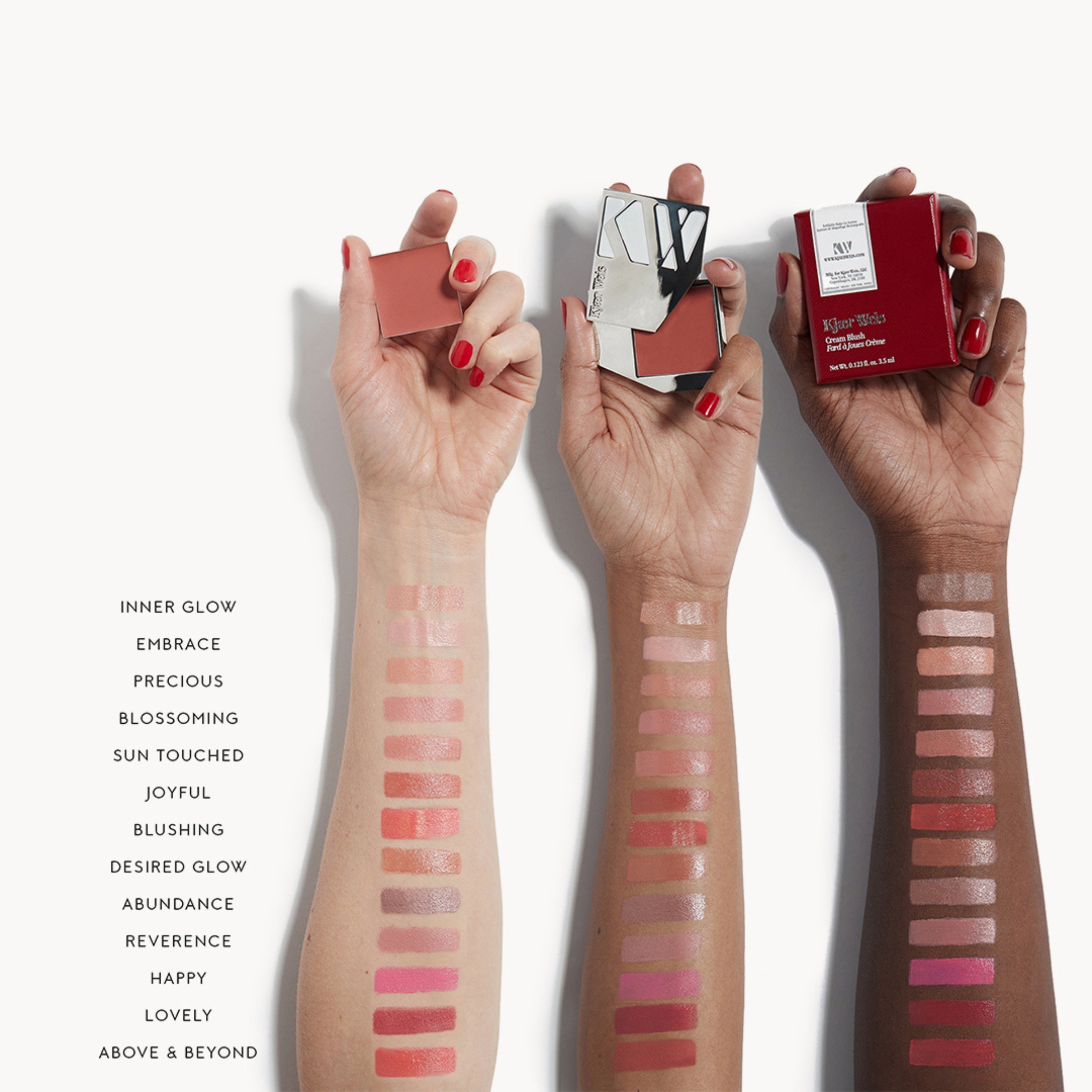
For cool undertones, try Cream Blush in Reverence, a cool pink that echoes the natural color of your cheeks. For warm undertones, Precious adds a peachy coral touch, while neutral undertones suit Embrace, a nude pink that seems to radiate from within.
If you're drawn to darker or brighter shades, start with a small amount and blend outward, adding another layer until the color feels right against your skin.
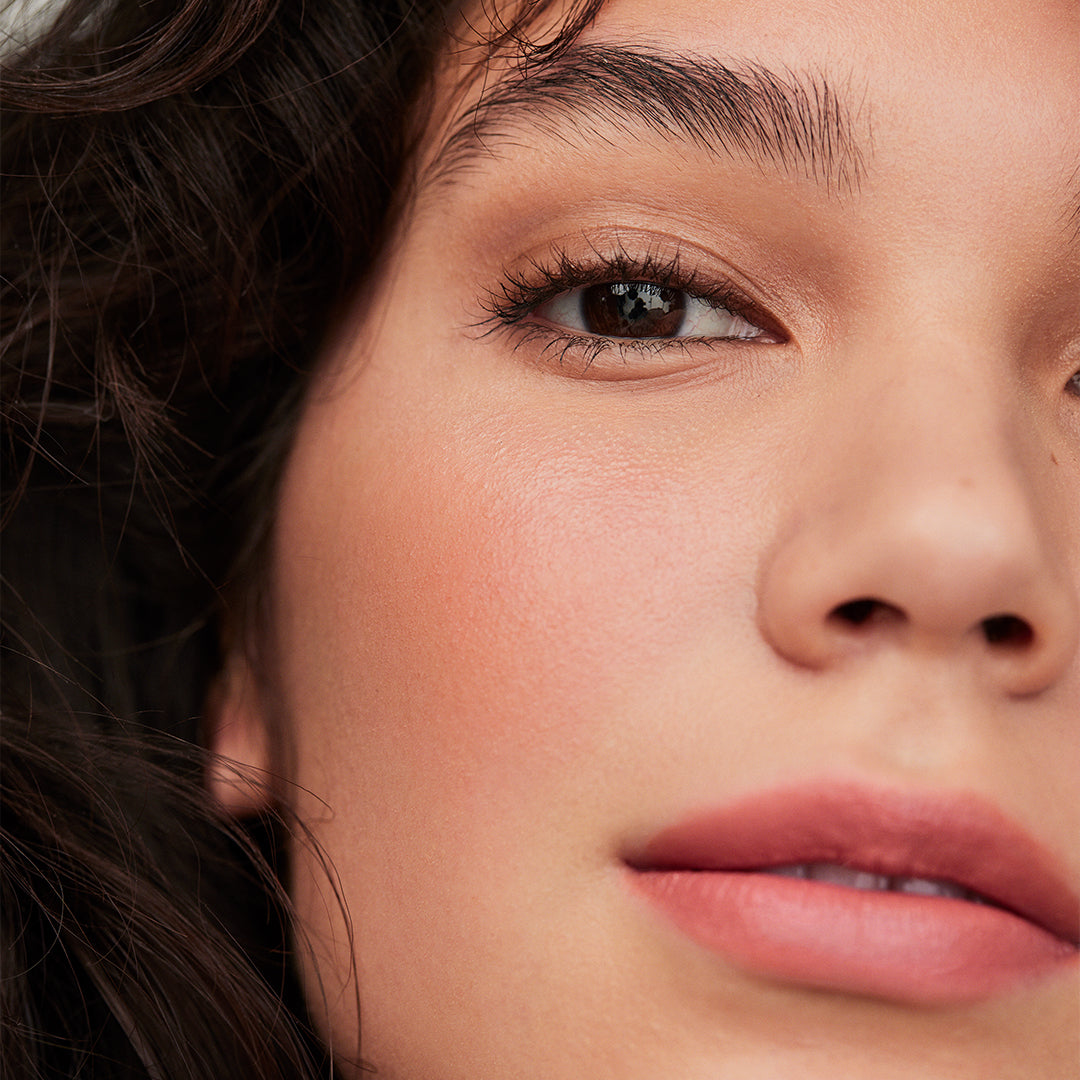
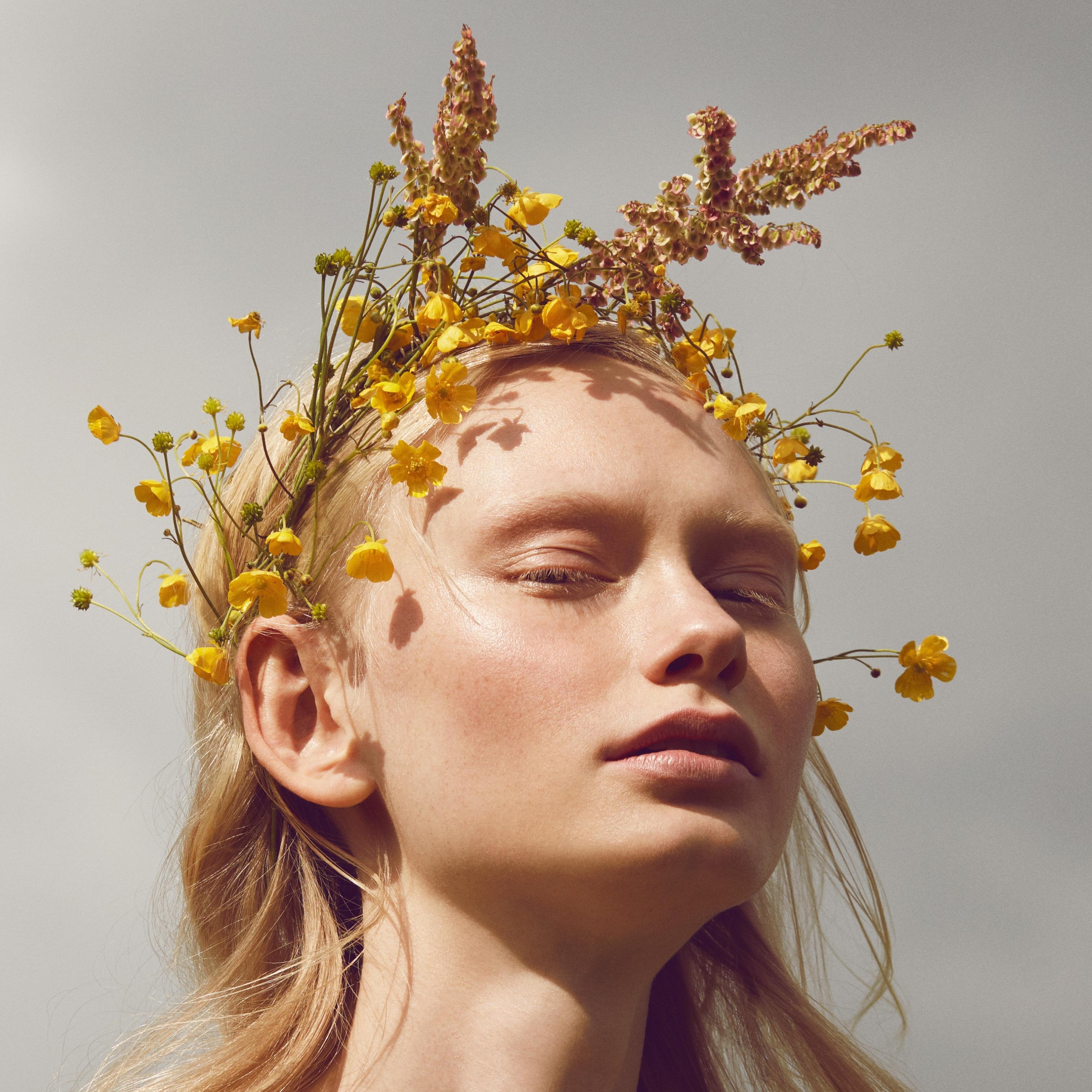
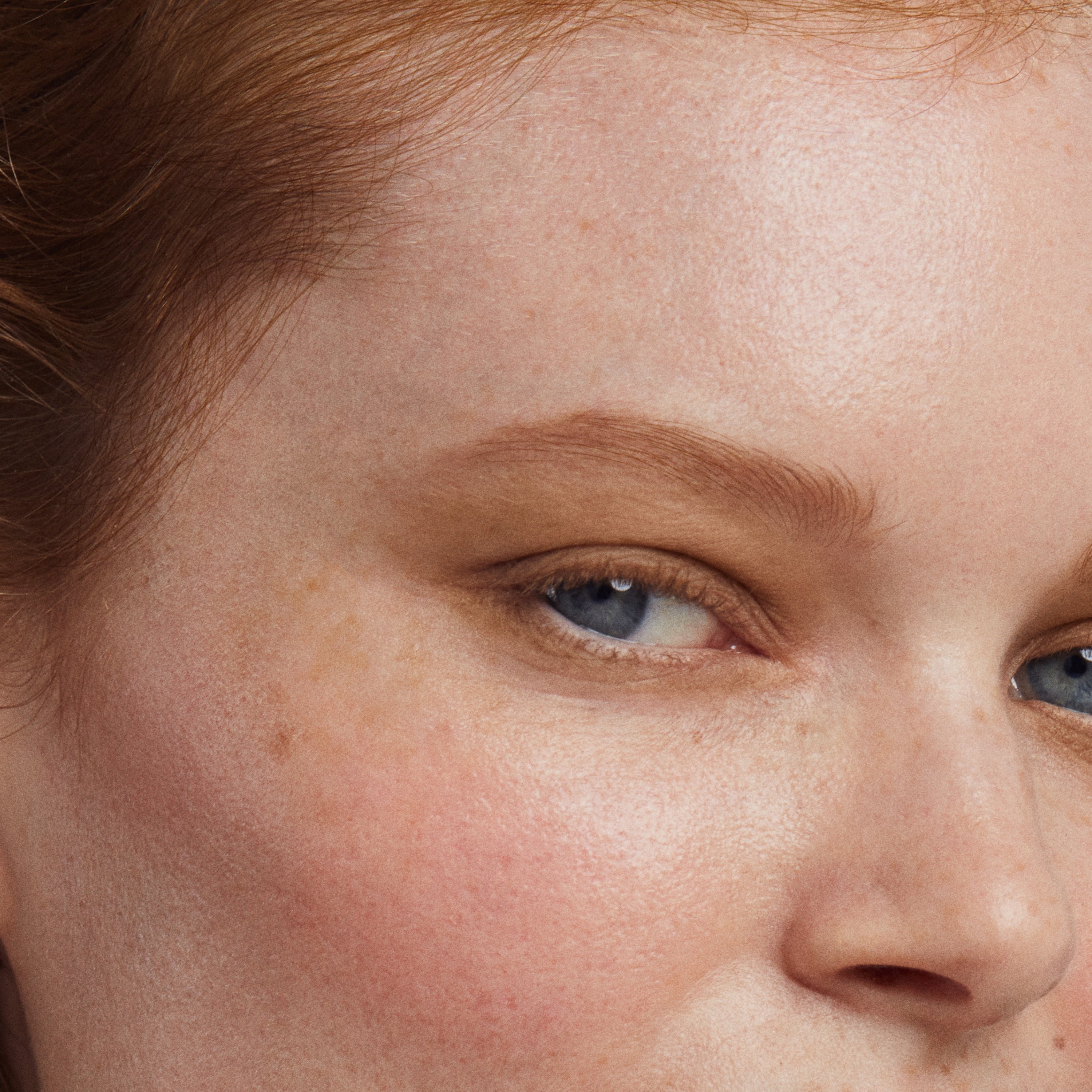
 Model is wearing Kjaer Weis Cream Blush in Precious
Best Blush Colors for Medium Skin
Rosy pinks, peaches, and berries can all complement medium skin. Your undertone can help you decide whether to choose a shade that sits close to your natural coloring or creates more contrast.
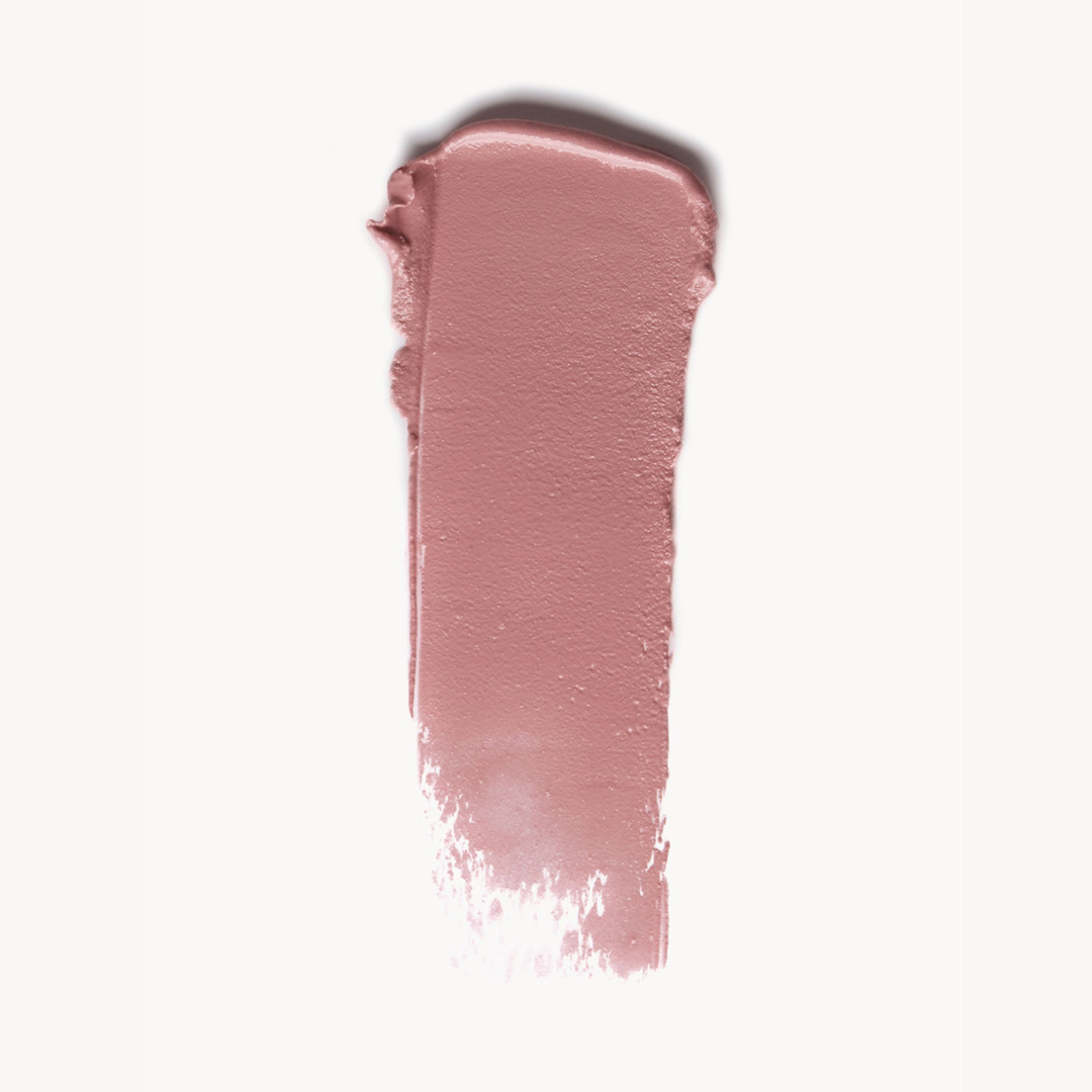
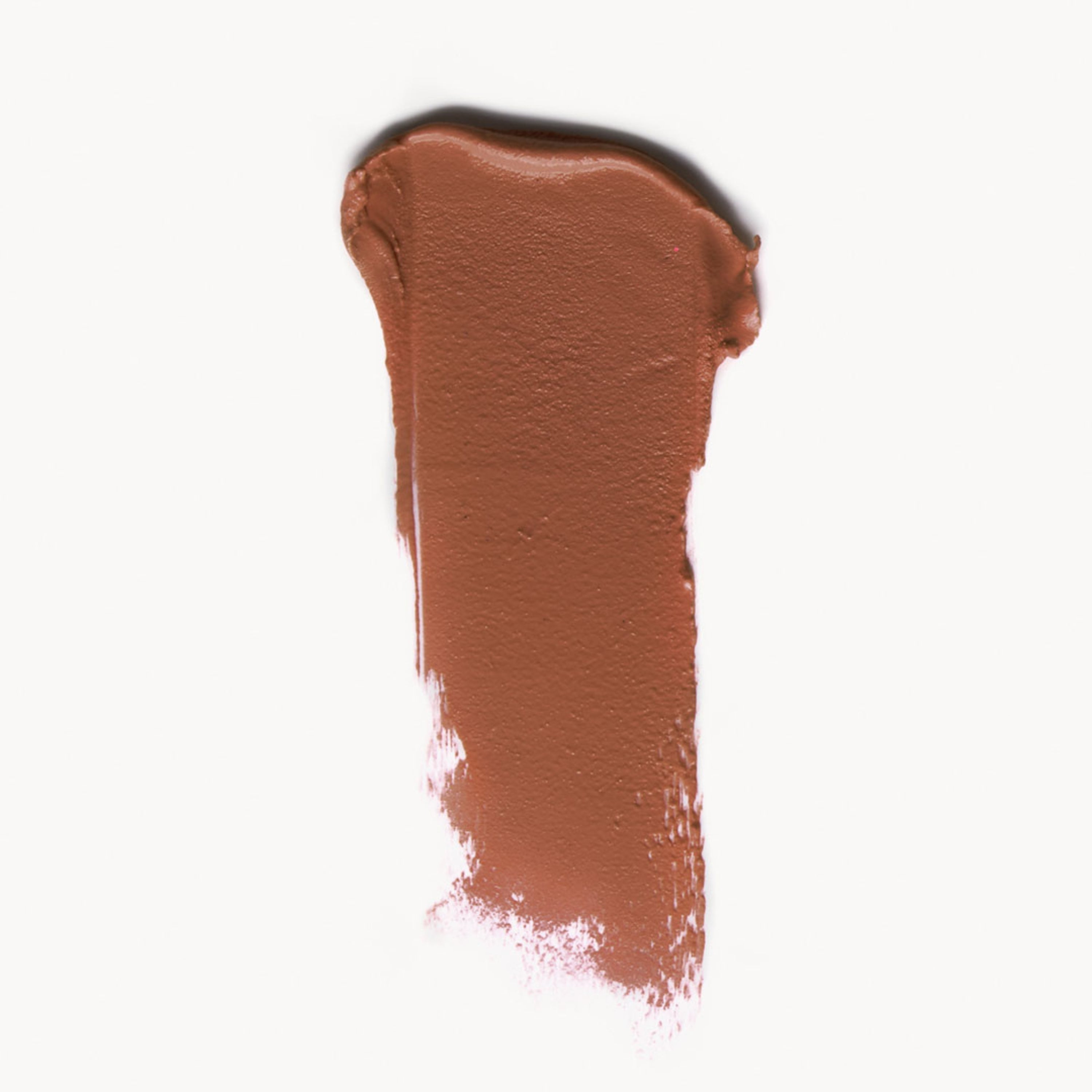
For cool undertones, try Cream Blush in Lovely, a deep berry that wears as a rich rose on the cheeks. For warm undertones, Abundance brings a rose-brown warmth to the cheeks, while neutral undertones pair easily with Desired Glow, a muted, warm-neutral shade that melts softly into the skin.

Best Blush Colors for Olive Skin
Olive skin has a subtle green or grey-green undertone, sometimes with hints of gold. It can be fair, medium, or deep, which is why both the color and depth of your blush matter. Muted roses, deeper peaches, sunlit corals, and terracottas all flatter olive tones.
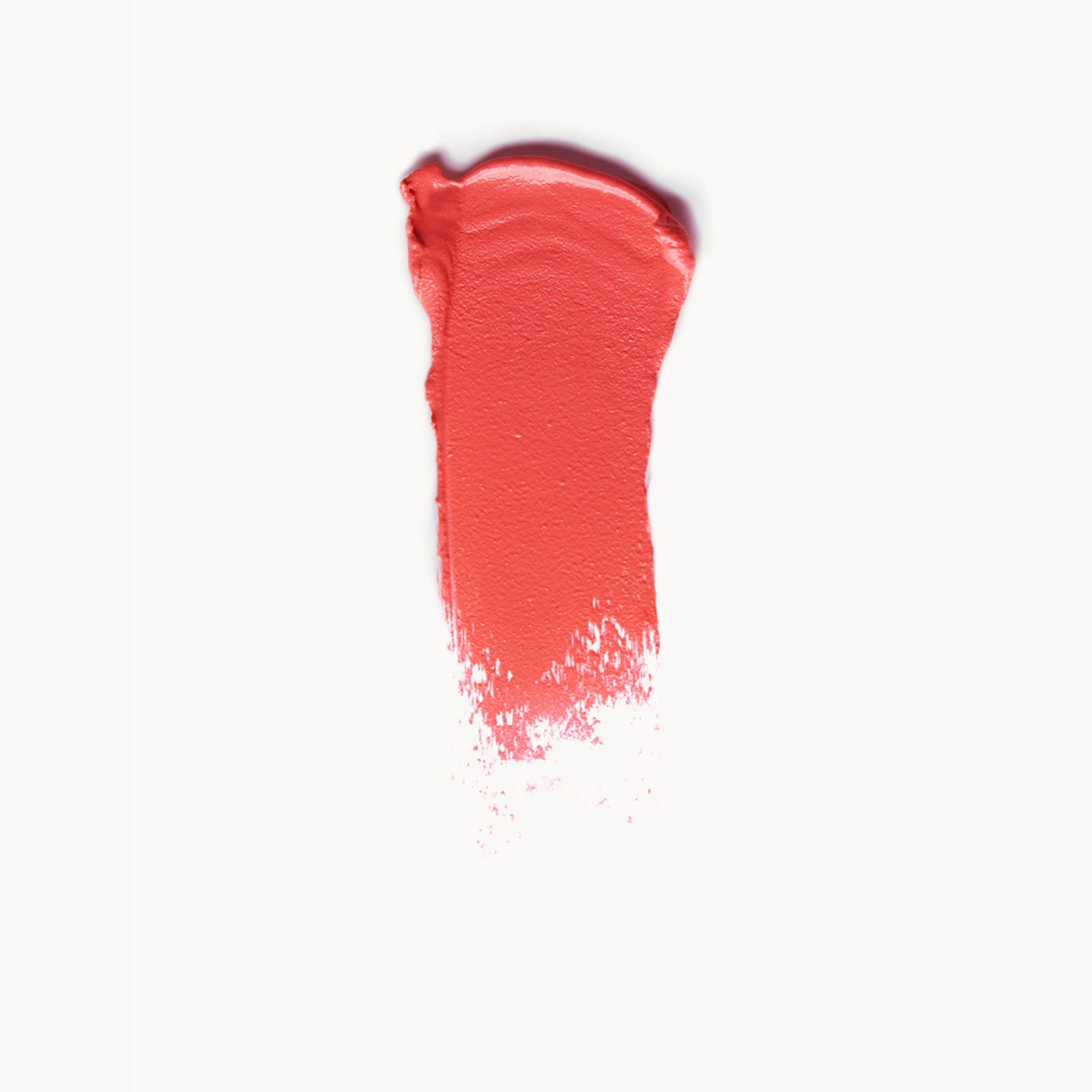
For fair to light olive skin, try Cream Blush in Sun Touched, a delicate coral with a dewy finish. For medium olive skin, Abundance adds a muted, earthy rose with a hint of peach. For deeper olive skin, Blushing, an iridescent coral, brings a fuller wash of color with a creamy, luminous finish.
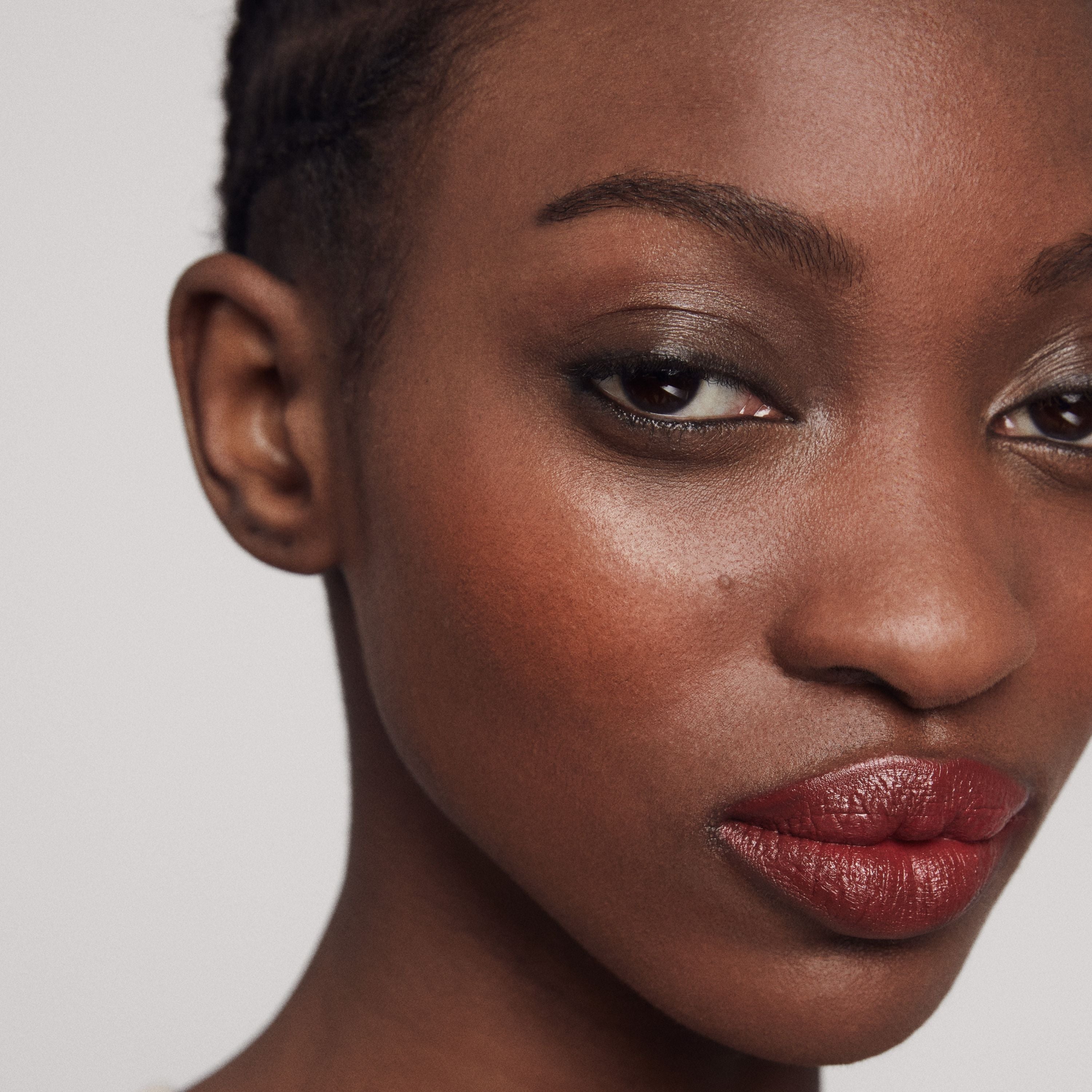
 Model wearing Kjaer Weis Cream Blush in Abundance
Best Blush Colors for Medium-Deep Skin
Saturated corals, rich roses, and berries can show their full color on medium-deep skin. Look for shades and formulas with enough pigment to remain visible after blending, whether you prefer a subtle wash or a brighter cheek.
For warm and golden undertones, try Cream Blush in Desired Glow, a muted peach-brown that leaves a soft terracotta flush on the cheeks. For neutral undertones, Blushing is an iridescent coral with a light-catching sheen. If your skin has cool undertones, Lovely, a deep berry, brings a rosy wash of color that blends smoothly into the skin.
 Model wearing Kjaer Weis Cream Blush in Lovely
Best Blush Colors for Deep Skin
Saturated pinks, warm reds, and dark berries can bring vivid color to deep complexions. Richly pigmented shades help the color remain true on the skin, whether you wear a light layer or build it further.
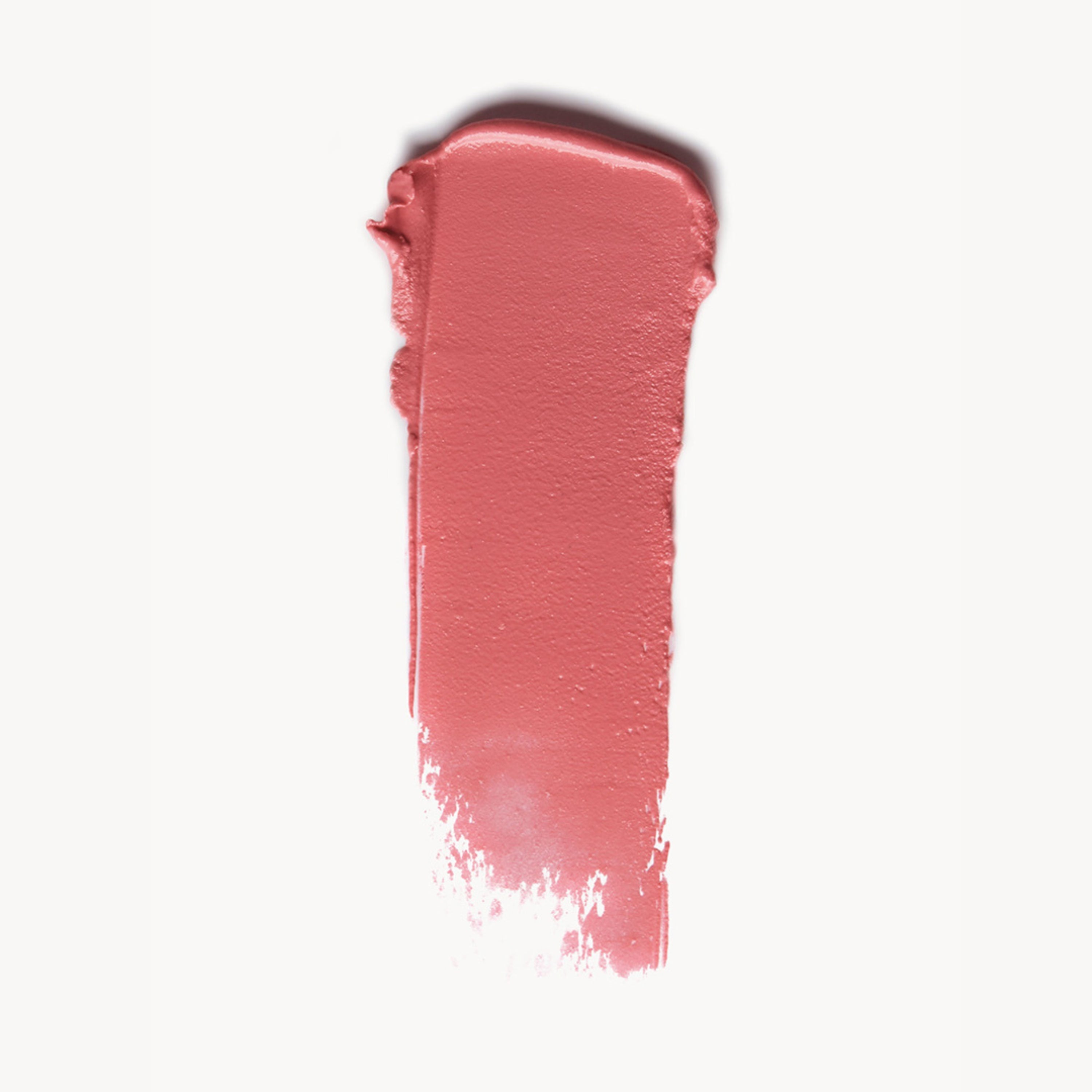
For cool undertones, try Cream Blush in Lovely for a rich, rosy finish. For warm undertones, Above and Beyond illuminates with a vivid coral red. If you love a brighter pop of color, Happy is a vibrant poppy pink that stands out against deep skin.
 Model wearing Kjaer Weis Cream Blush in Happy
How to Apply Cream Blush for a Natural Finish
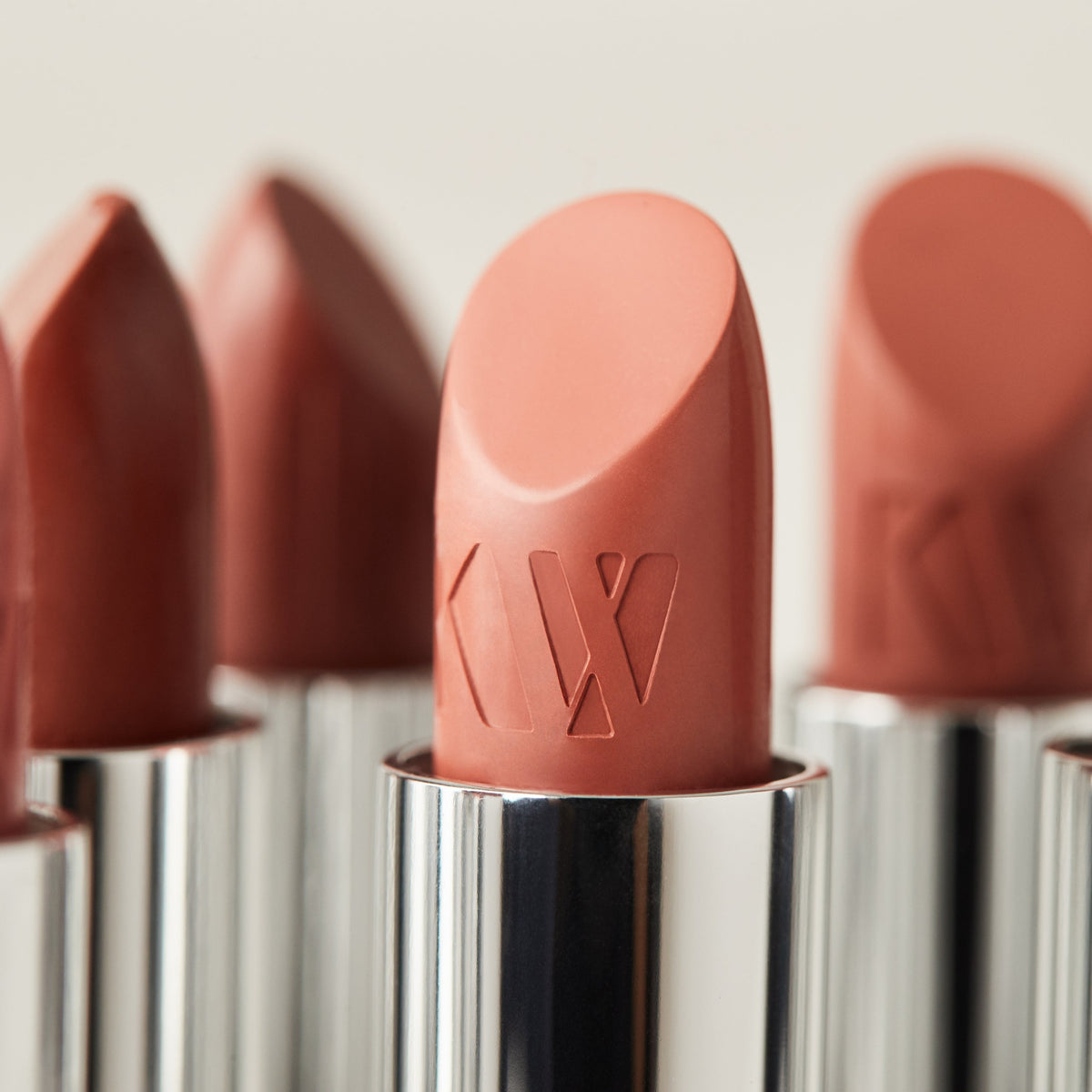
The creamy texture of Kjaer Weis Cream Blush melts softly into the skin, leaving a fresh, skin-like finish.
Warm a small amount between your fingertips or pick up the color with a blush brush. Begin on the upper part of the cheeks and blend outward toward the temples, following the shape of your cheekbones. Apply to lips and lids for a monochrome, full-face look.
For a soft, diffused finish, keep the edges sheer. For more intensity, build the color gradually, concentrating it where you want a deeper flush.
Frequently Asked Questions About Blush Color
What color blush should I wear?
For warm undertones, start with peach, coral, or golden rose. For cool undertones, try pink, mauve, or berry. Neutral undertones can wear both, while olive skin often suits muted roses and corals. Choose a shade with enough color to show against your complexion.

Should blush be lighter or darker than your skin?
As a general rule, choose a blush with enough depth or vibrancy to show against your skin. Soft pinks and peaches can create a natural flush on fair complexions, while deeper roses, saturated corals, and berries tend to stand out more on deeper skin tones.
How do I know if I need warm or cool-toned blush?
If your skin has golden, yellow, or peachy undertones, choose shades like coral or apricot. If your skin has pink or rosy undertones, try cooler shades like mauve or berry. Neutral undertones can wear both.
Can I wear pink blush if I have warm undertones?
Absolutely. Pink comes in both warm and cool variations. Peachy pinks and roses complement golden undertones, while cooler, blue-based pinks create a little more contrast.
What blush color looks most natural?
Choose a shade close to the color your cheeks take on when naturally flushed. That might be rose, peach, orangey red, or berry, depending on your complexion. Apply a small amount and blend the edges for a subtle finish.
A Little Color, Entirely Your Own
Some days call for the quiet warmth of peach. Others, the richness of berry or the brightness of coral. The shades you return to may change with the light, the season, or simply how you feel.
Explore the Kjaer Weis Cream Blush collection and find a shade to make your own, in a refillable compact designed to stay with you.







Share:
How to Apply Eyeshadow on Hooded Eyes